

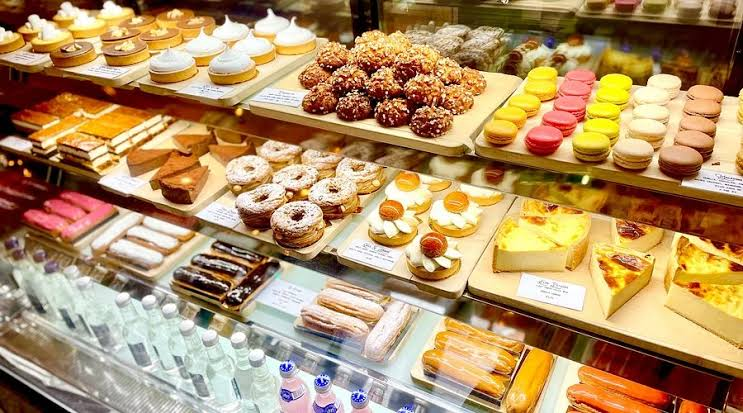
The Bakery vs patisserie comparison often confuses customers and new food business owners because both places make baked goods. However, they usually differ in product range, production methods, staff skills, presentation, and commercial equipment. A bakery often focuses on bread and everyday baked products, while a patisserie usually gives more attention to refined pastries, cakes, tarts, and decorative desserts.
Understanding these differences matters for anyone planning a food business, selecting machinery, or designing a production kitchen. The right setup depends on what you want to make, how much you plan to produce, and whether your focus is daily bread, premium desserts, or a mix of both.
What Is the Main Bakery vs Patisserie Difference?
A bakery generally produces a broad range of baked foods for regular customer demand. Common products include loaves, buns, rolls, cookies, muffins, cakes, and some pastries. Many commercial bakeries focus on steady output, repeatable quality, and efficient daily production.
The Bakery vs patisserie difference becomes clearer when looking at specialization. A patisserie usually focuses more on fine pastries and carefully finished desserts. Products may include eclairs, fruit tarts, choux pastries, layered cakes, mousse desserts, and other items that need precise preparation and attractive presentation.
Bakery Products Focus on Variety and Daily Demand
Traditional bakeries often serve customers who want fresh products for everyday use. Bread may form a major part of the menu, but many businesses also sell cakes, cookies, buns, pies, and sweet baked goods to reach a wider audience.
Because production can involve many dough types and batch sizes, equipment selection becomes important. Businesses exploring Mirabake can learn more about commercial food machinery, mixers, ovens, and production solutions designed for professional bakery operations and growing food brands.
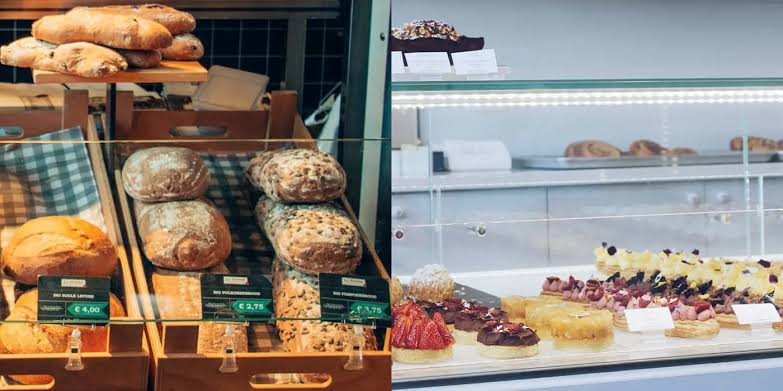
Patisserie Products Require Precision and Fine Presentation
A patisserie often places greater value on detail, texture, balance, and appearance. The final product may include several parts, such as sponge, cream, fruit filling, glaze, chocolate decoration, or a crisp pastry shell.
This style of production requires careful control at every stage. Staff must measure ingredients accurately, manage temperatures, follow exact mixing methods, and finish each product with attention to visual quality. Even a small change in timing or technique can affect the final result.
Bakery vs Patisserie Equipment Needs
The Bakery vs patisserie difference also affects machinery choices. A bread focused bakery may need spiral mixers, dough dividers, proofing equipment, bread slicers, ovens, and other machines that support regular dough production.
A patisserie may depend more on planetary mixers, stand mixers, precise ovens, refrigeration, worktables, and tools for whipping, blending, creaming, and finishing. Businesses that produce both bread and pastry products may need a flexible equipment plan that supports several recipes without slowing production.
How Mixing Methods Change Between Both Businesses
Mixing plays a major role in commercial baking. Bread dough often needs controlled kneading to develop the right structure. The operator must manage mixing time, speed, dough temperature, hydration, and batch size to achieve consistent results.
Pastry and dessert production can require different actions, including whipping cream, beating eggs, creaming butter and sugar, or mixing cake batter. A planetary mixer can support many of these tasks because different attachments may handle different product types. Choosing the correct mixer helps protect texture and improve repeatability.
Skills and Production Methods Are Different
Bakery staff often need strong knowledge of fermentation, dough handling, proofing, shaping, baking time, and production planning. These skills become especially important when a business makes large amounts of bread or rolls every day.
Patisserie work often requires greater focus on decorative finishing and delicate preparation. Staff may need skills in piping, glazing, layering, chocolate work, cream preparation, and dessert assembly. Both fields require experience, but the daily workflow and technical focus can differ greatly.
Commercial Production and OEM Equipment Planning
A growing bakery needs equipment that can support higher output without causing major changes in product quality. Business owners should consider batch capacity, motor strength, food contact materials, cleaning needs, safety features, maintenance, and available floor space before choosing machinery.
OEM manufacturing can also support distributors, bakery chains, and food equipment brands that need custom products. Depending on the supplier and project, customization may involve branding, design details, packaging, machine specifications, or product configurations for a target market. Mirabake focuses on commercial bakery equipment and also presents OEM and ODM options for business buyers.
Choosing the Right Equipment for Your Business Model
The best equipment depends on the menu rather than the business name alone. A small bakery selling mainly artisan bread has different needs from a high volume bread plant. In the same way, a dessert shop producing mousse cakes and eclairs needs a different setup from a business focused on croissants and laminated dough.
Before purchasing machinery, owners should study daily output, peak demand, recipe range, staff skill, available power, kitchen layout, and future growth. A machine that is too small can create delays, while oversized equipment may waste space and investment. The goal is to match production needs with practical capacity.
Bakery vs Patisserie: Which Business Model Is Better?
There is no single winner in the Bakery vs patisserie decision. A bakery may attract broad daily demand because bread, buns, cookies, and simple cakes serve many customer groups. It can also build repeat sales when customers return often for fresh everyday products.
A patisserie may target customers who value premium desserts, detailed presentation, special occasions, and refined pastry work. Some businesses combine both models by selling bread, cakes, pastries, and desserts under one brand. The right choice depends on local demand, staff skills, pricing, production capacity, and the type of customer experience you want to create.
Final Thoughts on Bakery vs Patisserie
The Bakery vs patisserie comparison shows that both businesses share a connection with baking but often differ in products, skills, workflow, presentation, and machinery. Bakeries usually serve a wider range of everyday baked goods, while patisseries often specialize in refined pastries and visually detailed desserts.
For commercial operators, success depends on more than choosing a business label. The right menu, trained staff, efficient workflow, suitable mixers, dependable ovens, and well planned production equipment all matter. Understanding Bakery vs patisserie differences can help owners make better decisions about products, kitchen design, equipment investment, and long term business growth.